
The Mistake We See When Owners Renovate for Top-Dollar Rent
High-end upgrades don’t always raise rent. Learn what actually drives rental returns and how to invest without overspending on renovations.
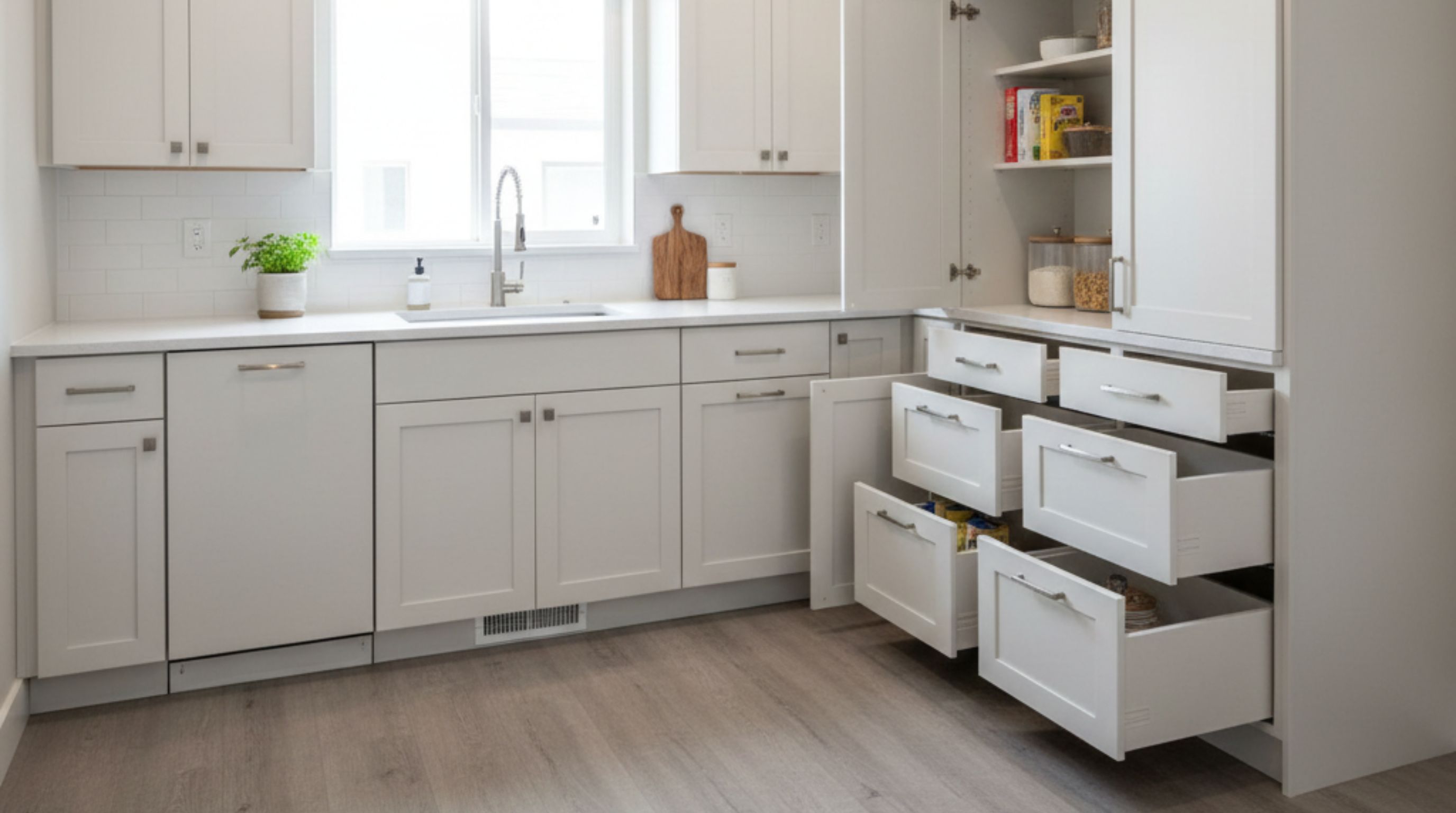
More premium doesn’t always mean more profitable.
We’ve watched owners pour serious money into renovations with one goal in mind: top-dollar rent. The thinking is simple. If the finishes look expensive, the rent should follow.
So the upgrades get bigger.
Marble countertops.
Designer tile.
Luxury appliances.
On paper, it feels like the right move.
In practice, it often misses the mark.
Because rent isn’t driven by how impressive a space looks in isolation. It’s driven by how well that space performs for the tenant who actually lives there.
Why Premium Upgrades Don’t Automatically Mean Higher Rent
High-end finishes photograph well. They impress on walkthroughs. But they don’t always translate to stronger returns.
Here’s why:
Tenants don’t assign value the same way owners do.
They’re not evaluating material rarity or brand names.
They’re evaluating daily experience.
If an upgrade doesn’t make the unit easier to live in, safer to move through, or cheaper to maintain, it rarely justifies a meaningful rent increase.
Worse, it often increases:
- upfront capital spend
- maintenance risk
- repair costs at turnover
That combination erodes ROI instead of improving it.
Where Tenants Actually Place Value
The renovations that consistently lift rent and reduce vacancy share one thing in common: they solve everyday problems.
Durable Flooring That Feels Reliable
Tenants want floors they don’t have to worry about.
Scratches, stains, and water damage create stress. Durable flooring removes it. When floors feel solid, quiet, and easy to clean, tenants trust the space.
That trust shows up in longer stays and faster leasing.
Lighting That Changes How the Space Feels
Lighting does more than illuminate. It sets mood and perception.
Bright, well-placed lighting makes units feel:
- larger
- cleaner
- safer
Dark or poorly planned lighting does the opposite, no matter how expensive the finishes are.
Lighting is one of the most cost-effective upgrades you can make, and one of the most immediately felt by tenants.
Layouts That Improve Usable Storage
Storage isn’t about square footage.
It’s about usability.
Layouts that create:
- clear kitchen work zones
- functional pantry space
- practical closet storage
consistently outperform visually impressive layouts that waste space.
Tenants don’t pay more for novelty.
They pay more for function.
The CapEx Trap of Over-Upgrading
The biggest mistake we see is over-investing in finishes that don’t scale across turnovers.
Marble chips.
Designer tile cracks.
Luxury appliances fail faster under real use.
Every repair compounds cost.
When an upgrade can’t survive multiple tenants without intervention, it stops being an asset and starts being a liability.
That’s how a “premium” renovation quietly drains profitability.
What Balanced Investment Looks Like
The most successful renovations sit in the middle.
They feel elevated without being fragile.
They look intentional without being over-customized.
Balanced investments do three things well:
- Photograph cleanly for marketing
- Rent quickly because they meet tenant expectations
- Hold up through multiple turnovers
This balance is what protects NOI while still allowing rent growth.
Why Faster Leasing Matters More Than Flash
A unit that rents one or two weeks faster often outperforms a more expensive unit that sits vacant longer.
Vacancy erases perceived value quickly.
Tenants compare options side by side. If one unit feels easier to live in, easier to maintain, and easier to trust, it wins, even if another unit looks more luxurious.
Speed to lease is a return multiplier.
Designing for Performance, Not Ego
Renovations shouldn’t be designed to impress other owners.
They should be designed to perform under real use.
That means:
- finishes that tolerate wear
- layouts that support daily routines
- lighting that improves perception
- materials that don’t demand constant care
When those boxes are checked, rent follows naturally.
Why This Approach Works Long-Term
A renovation that balances cost and performance:
- reduces vacancy
- limits maintenance calls
- protects finishes across turnovers
- supports steady rent growth
It doesn’t rely on hype.
It relies on fundamentals.
That’s how returns compound instead of reset every lease cycle.
If you’re planning a renovation with the goal of raising rent, the question isn’t how premium the finishes are.
It’s whether those finishes actually drive value for the tenant living there.
At DOCI, we help owners invest where it counts, so renovations rent faster, last longer, and protect margins.
If you want upgrades that increase rent without ballooning CapEx, connect with us here:
https://docicompanies.com/contact/
Let us create a space that exceeds your expectations
