
What I Actually Do on Site: The Real Role of a Construction Manager
Think onsite leadership means swinging a hammer? Discover what a construction manager really does to keep renovations moving and crews focused.
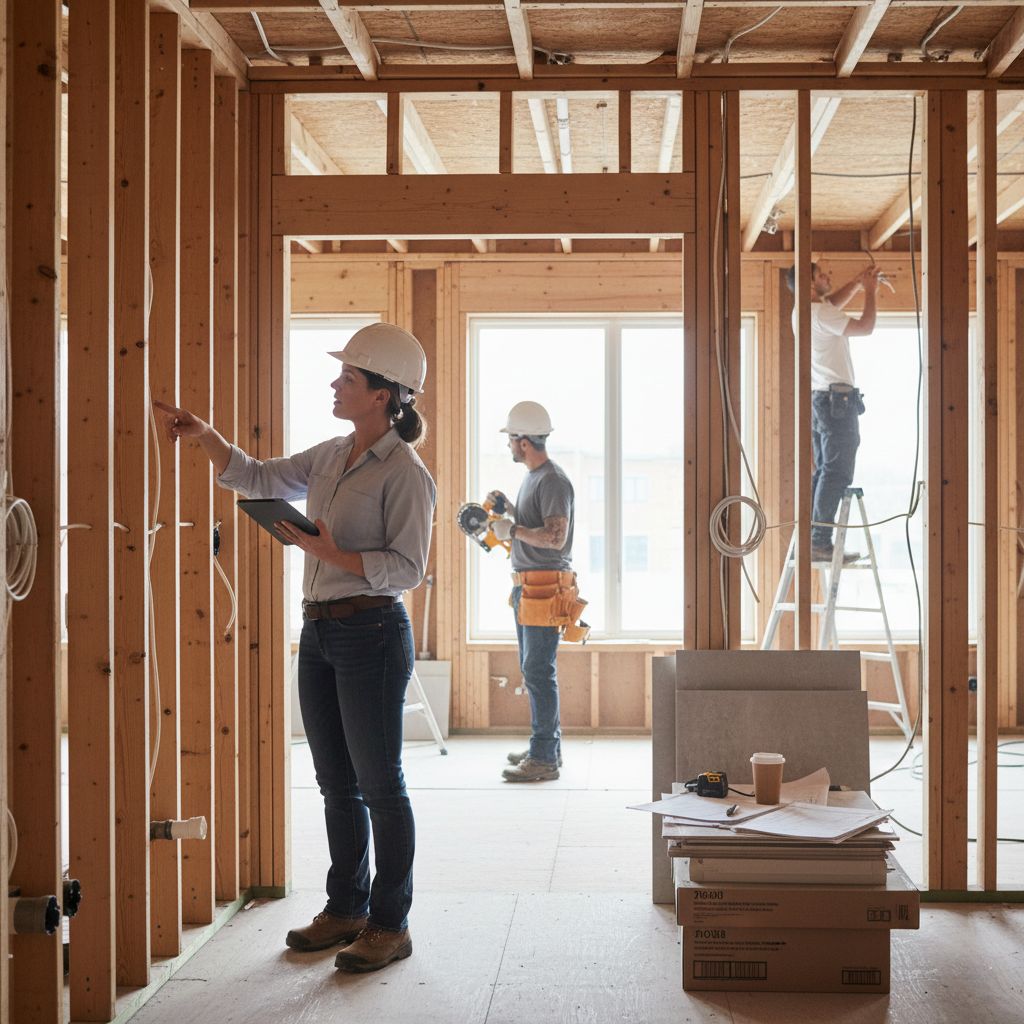
Imagine walking onto a busy renovation site. You see the tradespeople swinging hammers, laying tile, running wiring, but the construction manager is just strolling through, clipboard in hand, pausing to ask a question here or make a call there. If you expected to see them elbow-deep in demo, you might be surprised. What I actually do on site isn’t about physical labor, it’s about removing obstacles, keeping momentum, and letting skilled craftsmen do their best work.
A Shift from Doing to Leading
When I first stepped onsite, I believed being a strong manager meant doing every task, responding to questions, fixing mistakes, sourcing materials. I thought that hands-on involvement equaled value. But what I found was the opposite. Every time I fixed something myself, I unintentionally slowed someone else down. My presence became a bottleneck. The team paused and looked to me before moving forward.
Through trial and feedback, I learned that effective leadership doesn’t involve picking up tools, it requires removing friction. My job is not to build; it’s to ensure the build happens smoothly.
What Leadership Looks Like On Site
1. Identifying Blocks to Progress
I begin each day by walking every corner of the site. I look for anything that might halt the crew, a missing material, a confusing spec, a delay. If I spot something, I act immediately.
Example: A tile team pauses because the grout color is unclear. I pull the specs, call the designer, confirm the color, and send a photo to every relevant person, minutes later, the work resumes.
2. Clarifying Details
When crews run into questions, like trim height or outlet placement, they often wait on supervisory guidance. I aim to shorten that gap. I clarify drawings or specs immediately and empower the team to move forward.
3. Keeping the Supplies Train Moving
You don’t wait until the drywall is up to discover your materials aren’t arriving. I follow up with suppliers daily so the crew has everything they need, on time.
4. Resolving Punch List Items On the Spot
Minor issues like misaligned hardware can delay final inspections. Instead of postponing fixes, I address them as they're noticed, often while the crew is still on site.
5. Removing Decision Fatigue
Small, necessary decisions, should we pivot this trim or swap that fixture? I handle those instantly, freeing experts to focus on complex work.
By doing these five things, I prevent slowdowns before they start.
From Bottleneck to Bridge Builder
My early approach was rooted in nothing but goodwill, I wanted to be helpful. But in action, that translated to wasted time, low morale, and longer schedules. As I leaned into my role as facilitator instead of fixer, something changed: things started moving faster. Projects met deadlines. Crew trust grew. My role as a manager became meaningful, two-fold: enabling progress and fostering ownership.
The Real Impact of Effective Site Management
✅ Keeps Projects on Time
Every moment a crew stands idle costs money and morale. My presence ensures that teams stay engaged and tasks flow.
🤝 Builds Crew Confidence
When workers see timely responses and clear direction, they trust the process. They’re less anxious, more empowered, and more efficient.
🛠 Respects Expertise
Good craftsmanship isn’t undermined by leadership, it’s supported. My role is to elevate, not interfere.
Leadership Beyond Control
Strong site leadership isn’t about micromanaging every detail, it’s about creating conditions for excellence. I’m there to help, not to do. My contributions aren’t measured by how many screws I drive, but by how many I prevent from holding crews back.
By clearing paths, resolving details quickly, and supporting experts, I allow the momentum to build. Construction projects aren’t halted by lack of labor, they stall due to blocks in coordination, communication, or delivery. Preventing those stalls is the heart of site leadership.
A Typical Day in My Role
- Morning Walkthrough – Survey the site for visible or hidden issues, then address them.
- Spec Check and Clarification – Confirm design details with teams or designers right away.
- Supplier Calls – Proactively double-check delivery schedules and reorder if needed.
- Punch List Fixes – Address small issues before they become large rework tasks.
- Crew Support – Make quick, informed decisions to minimize delays and streamline workflow.
If you run renovation sites and feel like progress is slower than it should be, chances are your on-site role could be optimized. At DOCI, we help construction managers shift from hands-on workers to momentum facilitators, transforming project performance without swinging a hammer.
➡️ Contact DOCI to discover how effective site leadership translates into faster finishes, happier crews, and better client satisfaction.
Let us create a space that exceeds your expectations
