
The First Trade We Schedule on Any Multi-Unit Renovation
why demolition comes first construction
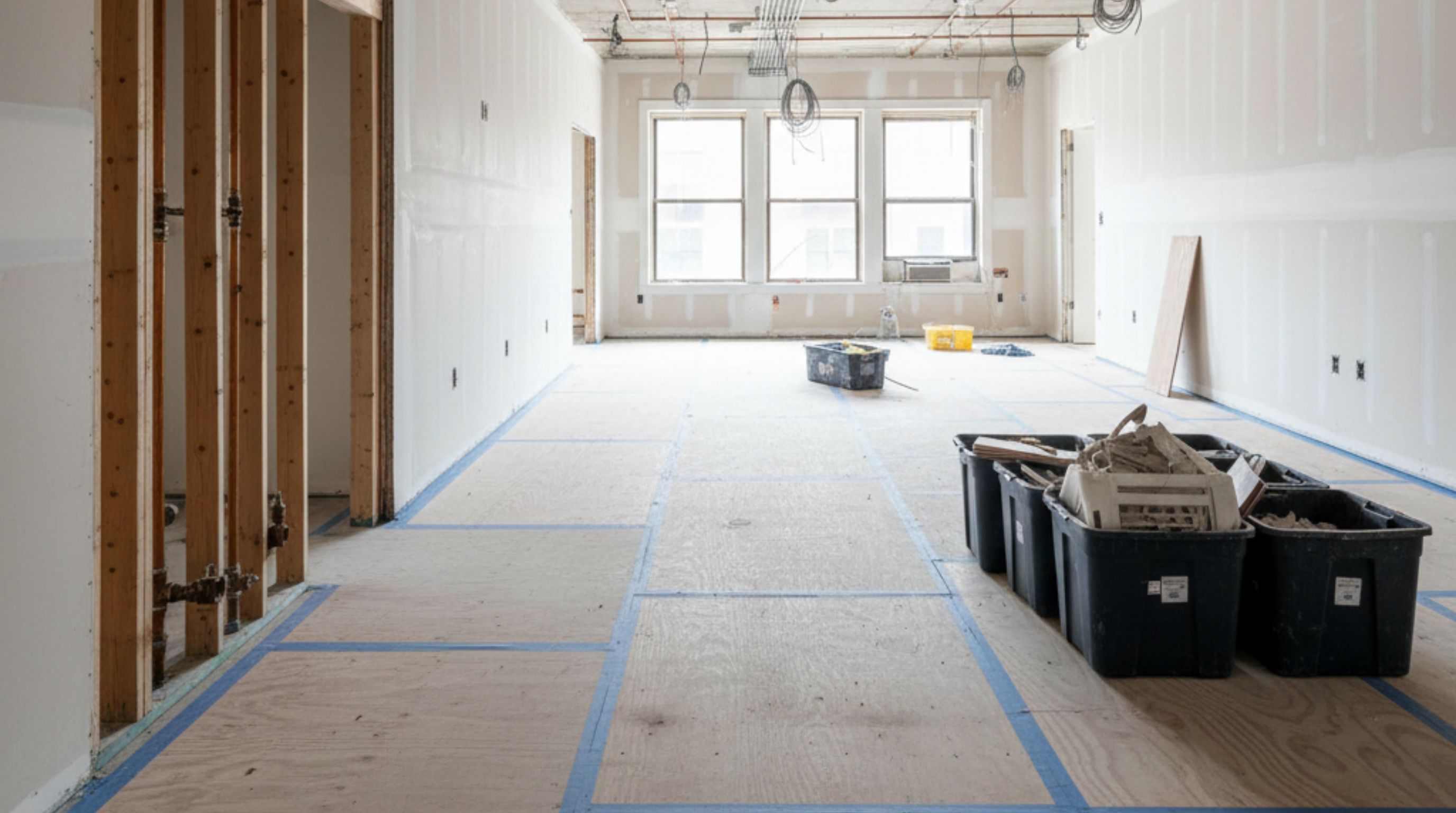
“This one call sets the tone for the entire project.”
On every multi-unit renovation, the first call we make is to the demo crew. Not electricians. Not plumbers. Not finish trades.
Demo.
That decision isn’t about tearing things out faster. It’s about controlling what happens next.
When demolition is tight, clean, and intentional, every trade that follows starts from a stronger position. When it isn’t, the entire project feels reactive from day one.
Why Demo Isn’t Just About Clearing Space
Most people think demolition is simple. Remove what’s old so the new work can begin.
In reality, demo is where the project tells you the truth.
It reveals:
- access constraints
- hidden conditions
- structural surprises
- utility conflicts
- building quirks that never show up on drawings
If you wait to learn those realities after finish crews are staged, you’ve already lost time and money.
We want those answers immediately.
Early Demo Sets the Pace for the Entire Job
Demo doesn’t just remove materials. It establishes rhythm.
A clean, disciplined demo creates:
- predictable work zones
- clear handoff points
- accurate scope confirmation
When demo runs late or sloppy, every trade behind it compresses. Schedules tighten artificially. Crews overlap when they shouldn’t. Rework becomes inevitable.
That’s how projects start “feeling rushed” even when the calendar says otherwise.
What We Learn From Demo in Multi-Unit Buildings
Multi-unit renovations are unforgiving. Shared walls, stacked systems, and occupied neighbors magnify small issues fast.
Early demo tells us:
- where noise and dust will travel
- how units actually connect
- where risers, chases, and shutoffs truly live
- how much protection is required to avoid tenant disruption
We’d rather discover those realities on day one than mid-week with five trades queued up.
Why Demo Informs Sequencing Better Than Drawings
Plans are useful. Buildings are honest.
Demo exposes what drawings can’t:
- framing inconsistencies
- unplanned patches
- legacy workarounds
- decades of layered decisions
That information drives smarter sequencing.
Once we see the structure, we can decide:
- which trades can parallel
- which must stay isolated
- where cure times need protection
- where access must remain open
Sequencing without this information is guesswork.
Clean Demo Creates Cleaner Handoffs
Handoffs matter more than speed.
A demo crew that:
- keeps debris contained
- stages removal logically
- protects remaining surfaces
- leaves clear work areas
sets the expectation for everyone else.
Finish trades walk into an organized environment. They don’t waste time clearing obstacles or correcting avoidable damage. Productivity increases without anyone rushing.
That’s how pace improves without pressure.
Learning Hidden Conditions Before They Cost You
Hidden conditions are not the problem. Late discovery is.
When demo happens first and thoroughly, we can:
- adjust scope early
- reprice accurately
- reorder materials if needed
- shift sequencing before momentum is lost
When hidden conditions show up late, everything compounds. Schedules slip. Crews wait. Owners get surprised.
Demo is where we eliminate those surprises.
Why Demo Sets the Tone Culturally
Crews take cues from the first phase.
If the job starts:
- organized
- protected
- intentional
that standard carries forward.
If it starts chaotic, rushed, or careless, that tone spreads just as quickly.
The first trade doesn’t just affect the timeline. It affects how people behave on the job.
Predictability Is the Real Goal
We don’t schedule demo first because it’s dramatic. We do it because it creates predictability.
Predictability allows:
- accurate scheduling
- realistic trade stacking
- stable inspections
- confident finish work
That stability is what protects turnover deadlines and rent.
Why This Matters More in Multi-Unit Renovations
In multi-unit projects, mistakes scale.
One misstep in demo can:
- delay multiple units
- disrupt occupied tenants
- cascade across crews
That’s why we treat demo as a strategic phase, not a throwaway step.
When demo is right, everything downstream benefits.
If your renovations feel chaotic from the start, the issue often isn’t labor. It’s sequencing.
The first trade you schedule sets the tone for the entire project.
At DOCI, we build renovations from the inside out, starting with the phases that reveal risk early and protect momentum.
If you want multi-unit renovations that stay organized, predictable, and ready for clean handoffs, connect with us here:
https://docicompanies.com/contact/
Let us create a space that exceeds your expectations
